What Is Interstitial Cystitis (IC) and Chronic Bladder Pain?
Interstitial cystitis (IC), also called bladder pain syndrome, is a long-term condition that causes pain, pressure, or discomfort around the bladder. Unlike a typical UTI, IC usually isn’t caused by a bacterial infection.
IC may involve several factors, including:
- Changes in the bladder lining
- Inflammation
- Increased sensitivity in the nervous system
- Tight pelvic floor muscles
- Increased sensitivity to pain
Symptoms can look different for everyone. Some people mainly experience chronic bladder pain, while others struggle more with urgency, frequent urination, or pelvic discomfort.
Want to learn more about ongoing pelvic pain? Read our blog, Chronic Pelvic Pain Syndrome: What’s Really Happening in the Body, to understand common symptoms, possible causes, and how acupuncture may help.
Common Symptoms and Challenges of Living with Interstitial Cystitis
IC symptoms can range from mild to severe and may change over time. Common symptoms include bladder pain or pressure, pelvic discomfort, frequent urination, urgency, pain as the bladder fills, and discomfort during sex.
Flare-ups may be triggered by certain foods and drinks, stress, hormonal changes, sexual activity, or prolonged sitting. Triggers can vary from person to person.
Chronic bladder pain can affect sleep, mood, work, travel, and everyday activities. That’s why treatment should look beyond the bladder and consider factors such as stress, sleep, pelvic tension, and overall health.
How Acupuncture May Help Relieve Bladder Pain and Urinary Symptoms
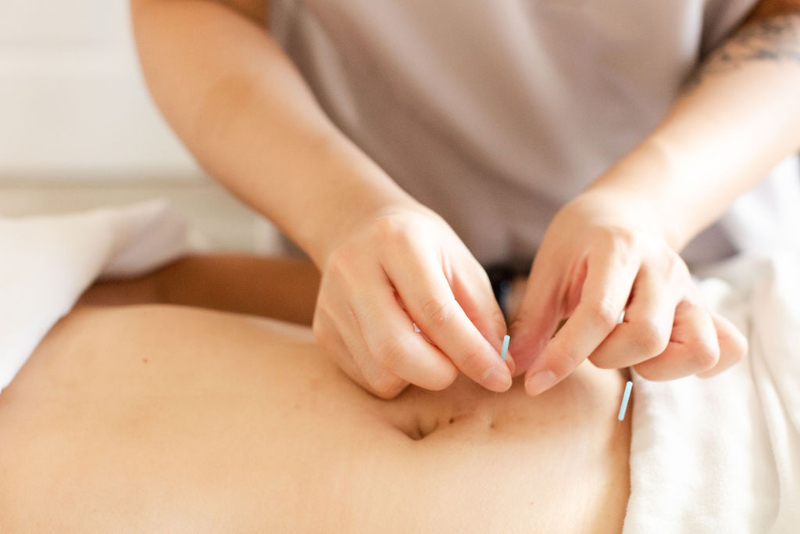
Acupuncture uses thin, sterile needles to stimulate specific points that influence the nervous system, circulation, and pain response. For people with IC and chronic bladder pain, treatment can help calm pain signals, increase blood flow, and reduce muscle tension.
This can be especially helpful when tight pelvic floor muscles contribute to bladder pressure, pain, or urinary urgency. At our clinic, patients with IC and chronic bladder pain have reported less discomfort and urgency, better sleep, and fewer disruptions to daily life.
Treatment is personalized to each patient’s symptoms, triggers, and overall health.
Want to learn more about pelvic floor health? Read our blog, Strengthening Your Core: The Benefits of Pelvic Floor Acupuncture, to learn how acupuncture can support pelvic function, reduce tension, and help with common pelvic health concerns.
What the Research Says About Acupuncture for Interstitial Cystitis
What to Expect During Acupuncture Treatment for IC
Your first acupuncture appointment will focus on your symptoms and overall health.
Here’s what you can expect:
- A conversation about bladder symptoms, sleep, stress, digestion, menstrual changes, and pelvic tension.
- Very fine needles placed at selected points based on your symptoms.
- A gentle treatment that many people find relaxing.
- A personalized treatment plan based on your symptoms and how long you’ve had chronic bladder pain.
- Regular check-ins to track changes in pain, urgency, bathroom trips, sleep, and flare-ups.
Everyone responds to acupuncture differently, so progress can take time. Small changes, such as better sleep, less urgency, or shorter flare-ups, can help show how your body is responding to treatment.
Lifestyle and Self-Care Tips to Support Bladder Health
Along with acupuncture, simple daily habits may help support bladder health. Keeping a symptom diary can make it easier to notice triggers related to food, drinks, stress, sleep, or menstrual changes.
Gentle movement, stretching, and pelvic floor relaxation may also help reduce tension. Stress support, such as slow breathing, walking, or quiet time before bed, can help calm the nervous system.
Managing chronic bladder pain often involves several small changes working together. Focus on what feels helpful and sustainable for you.
When to Consider Acupuncture as Part of Your Interstitial Cystitis Care Plan
Acupuncture may be worth considering if chronic bladder pain or other IC symptoms are affecting daily life. It can also be used alongside medication, pelvic floor therapy, and other medical care.
Acupuncture may be a good option if:
- Bladder pain or pressure affects sleep or daily activities.
- Urgency or frequent urination interrupts the day or night.
- Chronic bladder pain continues despite other treatments.
- Pelvic tension, stress, or hormonal changes seem to trigger symptoms.
- Extra support is needed as part of a larger care plan.
Treatment is personalized because IC can affect each person differently. Sleep, stress, pelvic tension, digestion, and menstrual changes may all play a role.
Finding More Support for Chronic Bladder Pain
Interstitial cystitis can feel frustrating, especially when tests come back normal, but your symptoms continue. You know your body, and your symptoms deserve proper care and attention.
Curious about whether acupuncture could fit into your IC care plan? Book a free consultation at our Edmonton clinic to discuss what you’ve been experiencing.
Disclaimer: This article is for educational purposes and isn’t a substitute for medical advice, diagnosis, or treatment. New or worsening bladder pain, blood in the urine, fever, difficulty urinating, or other concerning symptoms should be assessed by a healthcare professional.