Chronic pelvic pain syndrome can feel confusing, frustrating, and exhausting. Many people with chronic pelvic pain syndrome wonder why the pain keeps going, even after tests look normal or an injury has healed.
The truth is, ongoing pelvic pain is often connected to the nervous system. Your body isn’t “making it up.” Instead, your brain, muscles, and nerves may still be stuck in a cycle of stress and pain. The good news is that this cycle can change with the right support.
Looking for natural support for chronic pelvic pain syndrome? Book a free consultation with our clinic to learn how acupuncture may help calm the nervous system and reduce pain. You can also contact us with questions or read our patient reviews to hear real experiences.

Why Pain Can Continue Even After Healing
Pain usually starts for a reason. It may begin after an infection, surgery, injury, childbirth, stress, or inflammation. At first, pain acts like an alarm system. It tells the body that something needs attention.
However, the alarm sometimes keeps ringing long after the original problem has improved. This happens because the nervous system can become overprotective. The brain and nerves start reacting more strongly to normal sensations. As a result, even small movements, pressure, or stress can trigger pain signals.
This doesn’t mean the pain is fake. It simply means the nervous system has become too sensitive. Think of it like a smoke detector that goes off every time you make toast. The alarm is real, but it’s reacting too easily.
Want to learn more about pelvic pain and nerve-related symptoms? Read our blog, Acupuncture for Pudendal Nerve Entrapment: A Gentle Approach to Pelvic Pain, to explore how acupuncture may help reduce tension, calm the nervous system, and support healing.
What Is Nervous System Dysregulation?
Your nervous system controls how your body reacts to stress, danger, and pain. Normally, it alternates between alert and calm modes throughout the day.
But with chronic pelvic pain syndrome, the nervous system can get stuck in “high alert.”
This is called nervous system dysregulation. When this happens, the body may stay tense and sensitive even when there’s no immediate danger. The muscles tighten, breathing becomes shallow, sleep may worsen, and pain signals increase.
Over time, the brain learns this pain response. Then the cycle continues automatically. Stress can also make symptoms worse. That’s because stress affects the same nervous system pathways connected to pain and muscle tension.
How Chronic Pelvic Pain Syndrome Pain Loops Form in the Body
Pain changes the body over time. The longer the pain lasts, the more the brain pays attention to it.
Eventually, the body can fall into a chronic pain loop.
Here’s how it often works:
- Pain causes stress and tension.
- Stress increases muscle guarding.
- Muscle tension irritates nerves and tissues.
- The brain notices more pain signals.
- Then the body reacts with even more tension.
The cycle repeats again and again. Many people with chronic pelvic pain syndrome also begin to fear movement or certain activities because they expect pain. This is understandable. But fear and stress can further increase nervous system sensitivity. That’s why healing often requires more than simply treating a single muscle or body area. The nervous system also needs support.
Learn more about our whole-body approach to care in our blog, The Power of Team Collaboration: What It Means to Be Treated at Our Clinic. See how working with other healthcare providers can support your healing journey and recovery from chronic pelvic pain.
The Role of Muscle Guarding and Brain Signaling
Muscle guarding is one of the biggest pieces of chronic pelvic pain syndrome. When the body senses danger or pain, muscles tighten to protect the area. This response is normal at first. But when muscles stay tight for weeks or months, they can become painful themselves.
In the pelvic floor, this can lead to aching, burning, pressure, or sharp pain. Some people also notice bladder symptoms, bowel discomfort, pain during intimacy, or trouble sitting for long periods. Meanwhile, the brain keeps watching the area closely. It becomes extra aware of every sensation.
This process is called central sensitization. With central sensitization, the nervous system becomes more reactive. Pain signals become louder, even when there’s little or no tissue damage happening. Again, the pain is very real. The nervous system is simply stuck in protection mode.
How This Connects to Chronic Pelvic Pain (CPPS & Central Sensitization)
Chronic pelvic pain syndrome and central sensitization often go hand in hand. People with CPPS may notice symptoms that move around or change over time. One day, the pain feels sharp. Another day, it feels like pressure, heaviness, or burning. Stressful periods may also trigger flare-ups. This happens because the nervous system affects many parts of the body at once.
For some people, chronic pelvic pain syndrome may also happen alongside:
- Irritable bowel syndrome (IBS)
- Painful bladder symptoms
- Endometriosis
- Low back pain
- Hip pain
- Anxiety or poor sleep
- Headaches or jaw tension
These conditions all involve nervous system sensitivity in different ways. When the body stays in stress mode for too long, it becomes harder for the nervous system to relax and feel safe again.
Want to learn more about pelvic floor health? Read our blog, Strengthening Your Core: The Benefits of Pelvic Floor Acupuncture, to learn how acupuncture may help reduce pelvic tension, support muscle function, and improve overall pelvic health.
Why Your Pain Is Real (and Changeable)
Many people with chronic pelvic pain syndrome have been told that everything looks normal or that stress may be causing their symptoms.
Hearing this can feel upsetting and lonely. But normal scans or tests do not mean your pain isn’t real.
Pain is created by the nervous system and brain. Even when tissues heal, the nervous system can still send strong pain signals. The encouraging part is this: the nervous system can also relearn safety and calm.
The brain and body are always changing. This is called neuroplasticity. With the right treatment, support, movement, and stress reduction, pain pathways can slowly become less sensitive. Healing often happens step by step, not overnight. Still, change is possible.
Want to get the most out of your acupuncture treatments? Read our blog, Post-Acupuncture Dos and Don’ts to Enhance Your Treatment, for simple tips that may help support recovery, relaxation, and longer-lasting results after your session.
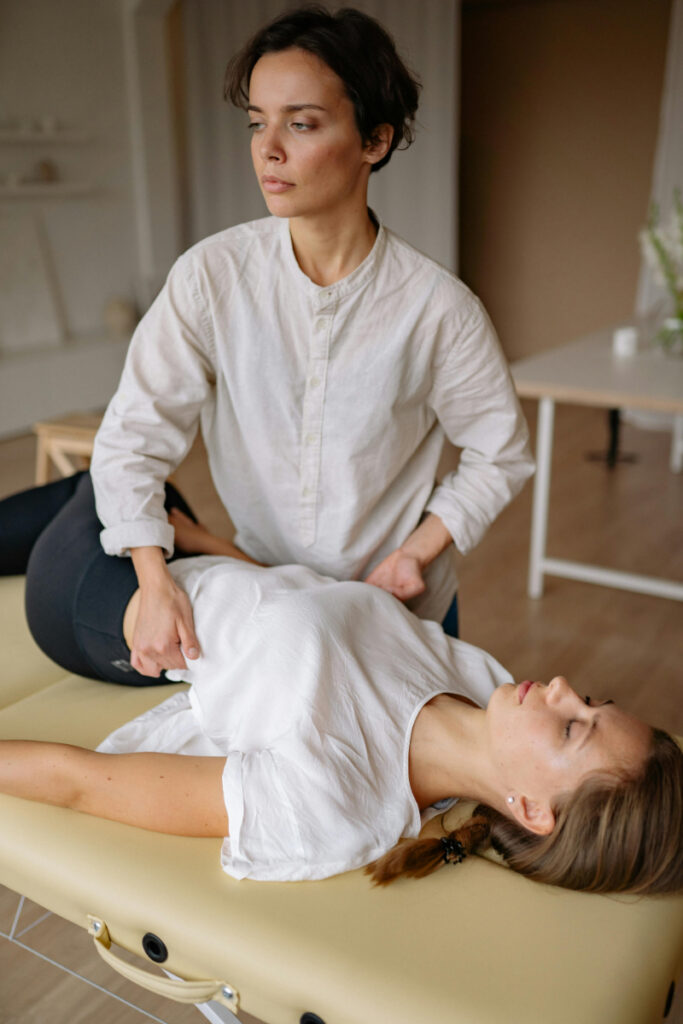
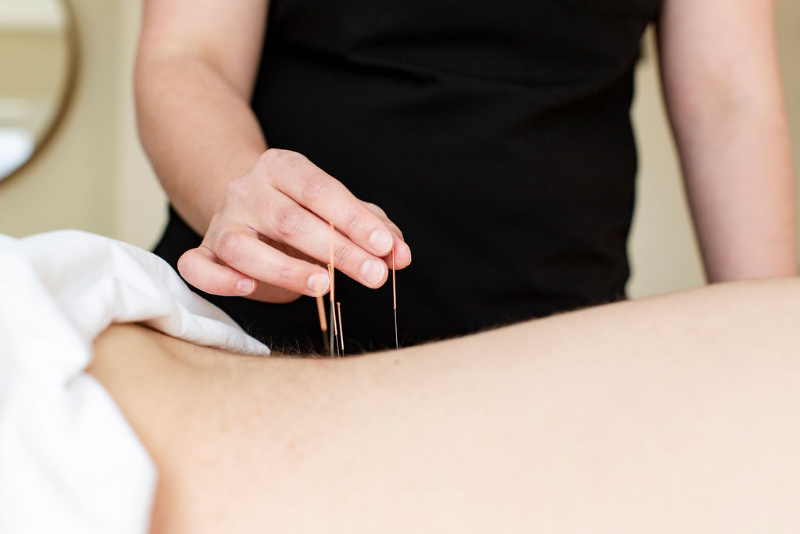
How Acupuncture Supports the Nervous System and Pain Relief
Acupuncture may help chronic pelvic pain syndrome by calming the nervous system and improving circulation. During treatment, thin needles are placed in specific areas of the body. This helps gently stimulate the nervous system.
Research suggests acupuncture may help:
- Reduce pain signals
- Relax tight muscles
- Improve blood flow
- Support better sleep
- Lower stress hormones
- Help the body shift out of “fight or flight” mode
Many patients also feel calmer after treatment. This is important because the nervous system responds best when the body feels safe and relaxed. Acupuncture doesn’t focus on forcing the body through pain. Instead, it supports the body’s natural ability to settle, recover, and heal.
For chronic pelvic pain syndrome, acupuncture often works best alongside other supportive treatments like pelvic floor physiotherapy, gentle exercise, stress support, and healthy sleep habits.
Want to learn more? You can read the full study here to see what the research says about acupuncture and chronic pelvic pain syndrome.
What to Expect During Chronic Pelvic Pain Syndrome Recovery
Healing from chronic pelvic pain syndrome is rarely a straight line. Some weeks feel better than others. Flare-ups can still happen. That’s normal. The goal isn’t perfection. Instead, healing focuses on helping the nervous system become less reactive over time.
At first, small changes matter most. You may notice:
- Less tension
- Better sleep
- Fewer flare-ups
- More energy
- Improved movement
- Longer periods of comfort
These changes are signs that the nervous system is beginning to calm down. It’s also important to be patient with yourself. Chronic pain affects both the body and emotions. Many people feel frustrated after months or years of symptoms. Supportive care can make a big difference during this process.
You don’t have to live with ongoing pain forever. With the right approach, many people with chronic pelvic pain syndrome can improve their symptoms and feel more like themselves again.
Ready to take the next step? Book a free consultation with our clinic to learn how acupuncture may support your recovery from chronic pelvic pain syndrome. If you have questions, contact us anytime.
Disclaimer: This blog is for educational purposes only and isn’t meant to replace medical advice, diagnosis, or treatment. Acupuncture may help support people with chronic pelvic pain syndrome by calming the nervous system, improving circulation, and helping reduce pain and stress. At Monica Patt Acupuncture, we take a whole-body approach and often work alongside your doctor and other healthcare providers to support your care.