PMOS Awareness Month: Understanding Your Symptoms and Supporting Your Body Naturally
Acupuncture BlogPMOS Awareness Month is a time to learn more about a hormonal condition that affects millions of women worldwide. During PMOS Awareness Month, education and awareness help people better understand their symptoms and discover ways to support their bodies naturally.
Living with hormone-related symptoms can feel frustrating and confusing. You may struggle with irregular periods, weight changes, acne, or fertility concerns without knowing why. The good news is that understanding what’s happening in your body is often the first step toward feeling better.
Curious about natural ways to manage your symptoms? Book a free consultation with our Edmonton clinic, get in touch with our team, or read our patient reviews to learn more.
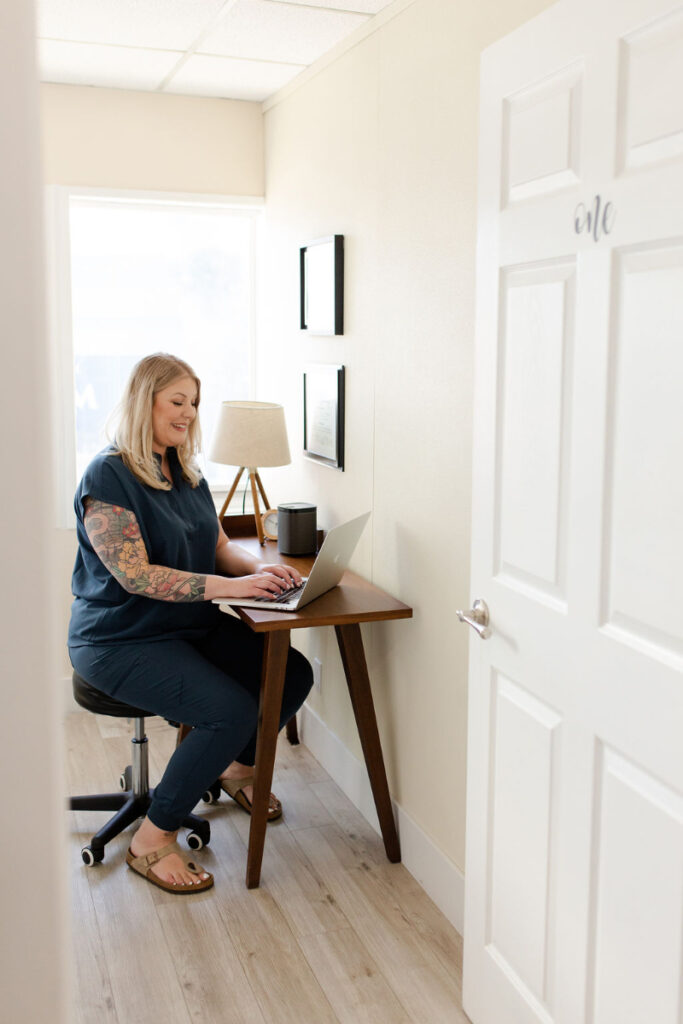
What Is PMOS Awareness Month and Why World PMOS Awareness Day Matters?
PMOS Awareness Month takes place every September and shines a light on one of the most common hormonal conditions affecting women. World PMOS Awareness Day is observed on September 1st. Its purpose is to encourage education, early diagnosis, and better support for those living with this condition.
Many people spend years searching for answers before receiving a diagnosis. That’s why awareness matters. When symptoms are recognized early, it becomes easier to explore treatment options and make informed health choices.
This condition can affect much more than reproductive health. It may also influence metabolism, skin health, mood, and fertility. As a result, understanding the full picture is important.
Understanding PMOS: Why Symptoms Show Up Differently for Everyone
One reason this condition can be difficult to identify is that symptoms vary from person to person.
Some people experience irregular periods. Others notice acne, unwanted hair growth, thinning hair, or weight gain. Meanwhile, another person may have only a few symptoms but still receive a diagnosis.
Several factors can influence how symptoms appear. Hormones, insulin levels, genetics, and daily habits all play a role.
Because every case is unique, there’s no one-size-fits-all approach. Learning about your body’s patterns can help you find strategies that work best for you.
Cycle Regulation: Supporting More Consistent Periods
Irregular periods are one of the most common signs of a hormonal imbalance. For some women, cycles may come every few months, while others experience heavy bleeding or unpredictable timing. These changes often happen when ovulation doesn’t occur regularly.
Several habits may help support healthier cycle patterns:
- Regular movement to support hormone function
- Balanced meals to help maintain steady blood sugar levels
- Stress management and quality sleep
- Acupuncture to increase circulation and support the body’s natural processes
Over time, a whole-body approach may help encourage more consistent cycles.
Curious about how acupuncture may support cycle health, fertility, and other PMOS symptoms? Read Understanding PMOS: Acupuncture Treatments for PMOS in Edmonton.
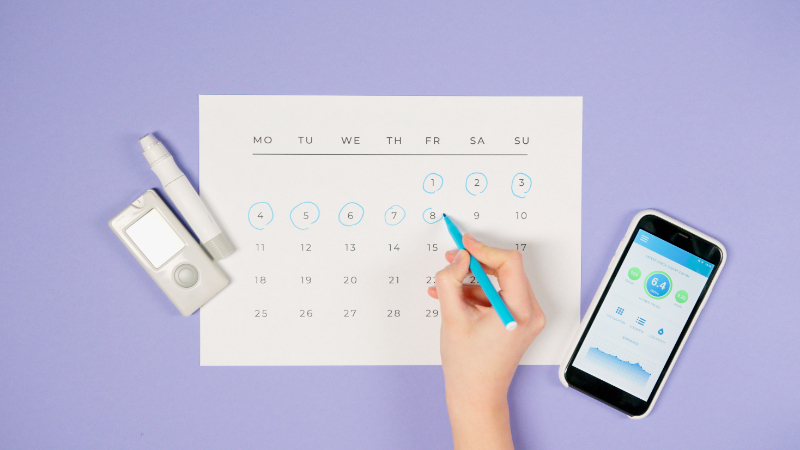
Weight and Metabolism: Why It Feels Harder (and What Helps)
For many people, weight management becomes a challenge after symptoms begin. This isn’t simply about eating less or exercising more. Hormonal changes can affect how the body uses and stores energy.
As a result, weight gain may occur more easily, while weight loss may feel slower than expected. Even so, small habits can have a meaningful impact.
Start by focusing on meals that include protein, healthy fats, and fiber-rich foods. These nutrients can help keep blood sugar levels more stable throughout the day. Daily movement also supports metabolism. Walking, strength training, swimming, and stretching are all great options.
Instead of chasing quick results, focus on habits you can maintain long term. Consistency often leads to better outcomes.
Want to learn more about the connection between hormones and weight gain? Check out our blog, Can Acupuncture Help With Hormonal Weight Gain? What the Research Says.
Acne and Hair Changes: What Your Skin and Hair Are Telling You
Changes in skin and hair can be some of the most frustrating symptoms.
You may notice breakouts along the jawline, chin, or cheeks. Some people experience thinning hair on the scalp, while others see increased hair growth on the face or body. These changes are often linked to shifts in hormone levels.
Although these symptoms can affect confidence, they also provide valuable clues about what’s happening internally. Healthy nutrition, quality sleep, stress management, and regular exercise may all help improve hormone function over time.
Some women also include acupuncture as part of their care plan. By increasing circulation and supporting overall wellness, it may help improve the body’s response to hormonal changes.
Insulin Resistance: The Missing Piece for Many with PMOS
During PMOS Awareness Month, it’s important to talk about insulin resistance because many people don’t realize it’s connected to their symptoms. Insulin helps move sugar from the bloodstream into the body’s cells. When the body becomes less responsive to insulin, it produces more to compensate.
Higher insulin levels can contribute to symptoms such as:
- Weight gain
- Irregular periods
- Fatigue
- Increased cravings
Supporting healthy blood sugar levels may help improve insulin function. Helpful habits include:
- Eating balanced meals
- Including protein with snacks
- Staying physically active
Understanding insulin resistance can help explain symptoms that may have once seemed unrelated.
Looking for natural ways to support your hormonal health? Read our blog, Natural Relief for Hormonal Disorders in Women: How Acupuncture Can Support You Beyond the Diagnosis.
Fertility with PMOS: Realistic Support and Hope
A diagnosis of this hormonal condition can bring questions about fertility. However, many women go on to have healthy pregnancies.
Ovulation may occur less often, making conception more challenging. Still, that doesn’t mean pregnancy isn’t possible. Lifestyle changes, medical care, and natural therapies can all play a role in supporting reproductive health.
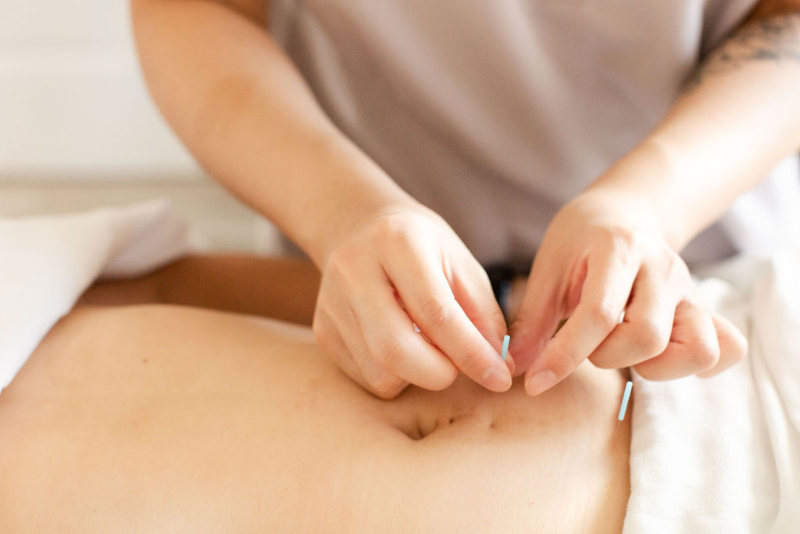
Many women also explore acupuncture as part of their fertility journey. It may help increase blood flow and support overall reproductive wellness while encouraging relaxation during a stressful time.
Every path to pregnancy looks different. Some people conceive quickly, while others need additional support. Most importantly, there’s reason to feel hopeful. With the right guidance, many women successfully build the families they dream of.
One recent study found that acupuncture may help support ovulation in women with PMOS.
How PMOS Awareness Month Helps Raise Awareness and Hope
PMOS Awareness Month reminds us that knowledge can be a powerful tool. The more we understand this condition, the easier it becomes to recognize symptoms and seek the right support. Every person’s experience is different, which is why a personalized approach is so important. Taking small steps to support your health can help you move forward with greater confidence.
By learning how your body works and exploring supportive treatment options, you can take an active role in your well-being and move forward with greater clarity and confidence.
Ready to explore natural support for hormonal health? Book a free consultation with our clinic. If you have questions, contact us anytime.
Disclaimer: This blog is for educational purposes only and isn’t intended to replace medical advice, diagnosis, or treatment. Acupuncture may help support people living with PMOS by increasing circulation, promoting relaxation, and supporting overall well-being. At Monica Patt Acupuncture, we take a whole-body approach and often work alongside your doctor and other healthcare providers to support your health goals.