Perimenopause symptoms can appear when you least expect them. One month, your period is normal. The next, you wake up drenched in sweat, feel tired, or get upset over things that never bothered you before.
As your body approaches menopause, changing hormone levels can affect your sleep, mood, and periods. Acupuncture offers a gentle, drug-free way to manage these symptoms and help you feel more like yourself.
If you’re noticing changes and wondering how acupuncture can help, book a free consultation with our clinic. You can also contact us with your questions or read our reviews to learn about other patients’ experiences.
What Is Perimenopause, and When Does It Typically Begin?
Perimenopause is the time leading up to menopause. During this stage, your ovaries start making less estrogen and progesterone. However, these hormone levels don’t drop steadily. They rise and fall, sometimes quite a bit from month to month.
For most women, perimenopause begins in their 40s, although some notice changes in their late 30s. This stage can last several years before menopause begins.
Menopause happens when you’ve gone 12 months in a row without a period.
During perimenopause, your periods might become harder to predict. Some months feel completely normal, while others bring new symptoms that seem to come out of nowhere.
Every woman’s experience is different. Some notice only small changes, while others find that perimenopause affects their sleep, mood, and daily routine.
Want to understand how acupuncture works with your body’s stress response? Read our blog, The Nervous System Reset, to learn more about acupuncture and relaxation.

Recognizing the Early Signs and Common Symptoms of Perimenopause
One of the first signs of perimenopause is a change in your period. Your cycle might become shorter, longer, heavier, or lighter than usual.
However, changes to your period aren’t the only thing to watch for.
Common perimenopause symptoms include:
- Hot flashes: Sudden feelings of heat, often in your face, neck, or chest.
- Night sweats: Waking up hot and sweaty, sometimes needing to change your clothes or sheets.
- Sleep problems: Trouble falling asleep or waking up throughout the night.
- Mood changes: Feeling more irritable, anxious, or emotional than usual.
- Brain fog: Forgetting things or struggling to focus.
- Headaches: More frequent headaches or changes in migraines.
- Joint and muscle aches: Feeling stiff or sore without a clear reason.
- Vaginal dryness: Feeling dry or uncomfortable, especially during sex.
You might notice several of these symptoms at once, or only one or two. Because many of these changes can also have other causes, it’s worth speaking with your doctor if you’re unsure what’s happening.
Hormonal changes don’t just happen during perimenopause. Read our blog, Acupuncture and Hormone Balance at Every Life Stage, to learn how acupuncture can support women’s health through different stages of life.
How Acupuncture Helps Manage Hot Flashes, Night Sweats, and Mood Changes
Hot flashes and night sweats are some of the most common perimenopause symptoms. They can happen without warning, disrupt your sleep, and leave you feeling uncomfortable all day.
Research shows that acupuncture can help reduce hot flashes and night sweats for some women.
A 2016 clinical study involving 209 women found that women receiving acupuncture experienced 36.7% fewer hot flashes and night sweats after six months, while women who hadn’t started treatment saw a 6% increase.
Acupuncture works with the nervous system, which helps regulate how your body responds to stress and temperature changes.
Acupuncture can help with:
- Hot flashes: Reducing how often sudden waves of heat happen.
- Night sweats: Helping manage symptoms that interrupt your sleep.
- Mood changes: Encouraging relaxation when you’re feeling tense or irritable.
- Stress: Helping calm your body’s stress response.
Treatment is based on your symptoms, so we can adjust the acupuncture points as your needs change.
Acupuncture doesn’t stop the natural hormone changes of perimenopause. Instead, it offers another way to manage symptoms and improve your daily comfort.
Want to learn more about how hormonal changes can affect your health? Read our blog, Hormonal Disorders in Women, to explore common symptoms and how acupuncture can help.
The Connection Between Acupuncture, Sleep, Stress, and Hormonal Changes
Have you ever had a poor night’s sleep and noticed that everything feels harder the next day? During perimenopause, changing hormone levels can affect your sleep. Night sweats might wake you up, while stress or worry can make it harder to fall back asleep.
Then, when you’re tired, you might feel more irritable, forgetful, or have trouble focusing.
Acupuncture helps encourage relaxation by working with the nervous system. Some women also notice better sleep during treatment, although research on sleep benefits is still mixed.
Stress can also feel different during perimenopause. You might notice more headaches, muscle tension, or feelings of worry than you used to.
Acupuncture gives your body time to rest while focusing on symptoms that affect your comfort and well-being. While acupuncture doesn’t prevent hormone changes, it can be part of a plan to help you manage the effects of perimenopause.
Want to learn more about how estrogen affects your body? Read our blog, Estrogen Dominance: Natural Support, to explore common symptoms and ways to support your hormonal health.
Natural Ways to Manage Perimenopause Symptoms and Support Your Well-Being
Along with acupuncture, small changes to your daily routine can help make perimenopause symptoms easier to manage.
You don’t need to change everything at once. Start with a few things that feel realistic for you.
- Keep your bedroom cool. If night sweats wake you up, use light bedding, a fan, or breathable sleepwear.
- Move your body regularly. Walking, swimming, and strength training can support your muscles, bones, mood, and sleep.
- Eat regular meals. Include protein, vegetables, whole grains, and calcium-rich foods to support your health.
- Watch your caffeine intake. Coffee can make sleep problems or hot flashes worse for some women.
- Make sleep a priority. Try going to bed around the same time each night and keeping your room dark.
- Find ways to lower stress. Gentle stretching, deep breathing, or spending time outside can help you relax.
- Track your symptoms. Write down changes in your periods, sleep, mood, and hot flashes to help spot patterns.
If your symptoms affect your daily life, talk with your healthcare provider. Hormone therapy and other medical treatments can also help manage perimenopause symptoms.
You can use acupuncture alongside medical care as part of your approach to feeling better.
Noticing changes in your period? Read our blog, Acupuncture for Menstruation, to learn how acupuncture can help with period pain and other menstrual symptoms.
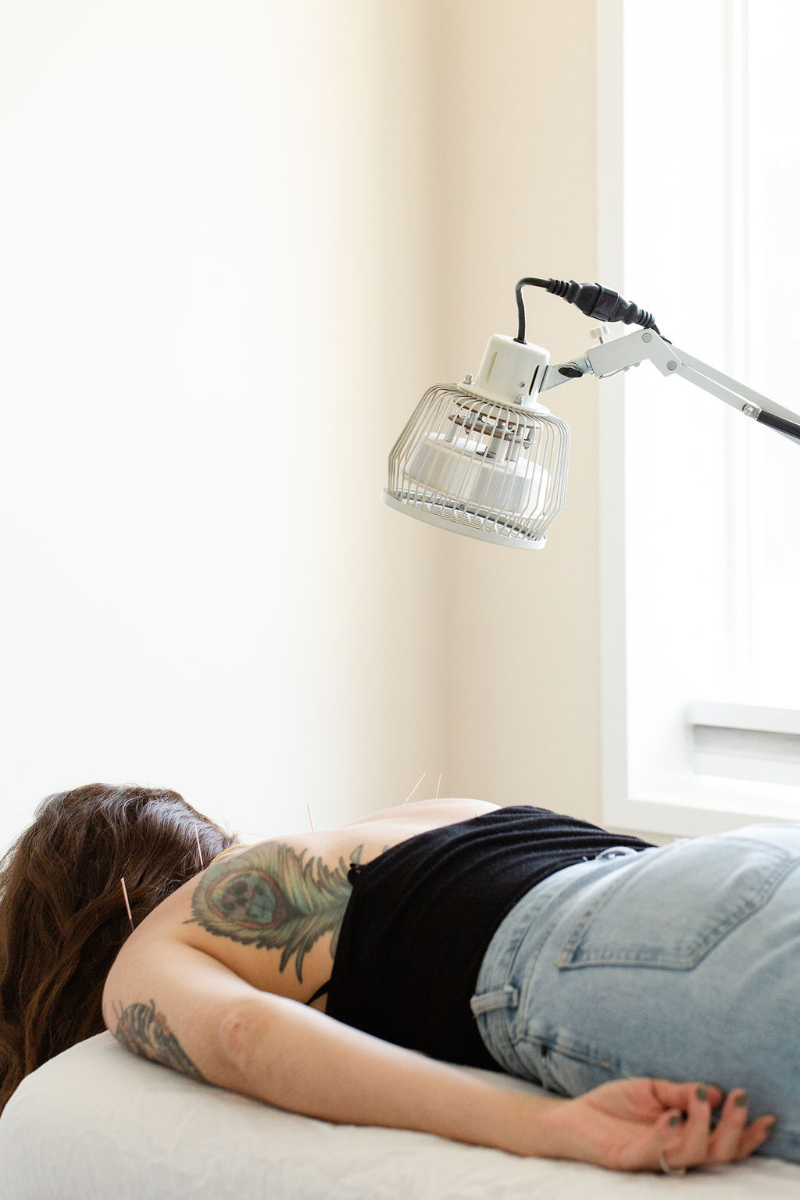
Navigating Perimenopause With Acupuncture in Edmonton: Finding Relief and Feeling Like Yourself Again
Perimenopause can feel unpredictable. One day you feel great; the next, poor sleep, hot flashes, or mood changes leave you drained.
At Monica Patt Acupuncture in Edmonton, we’ll take time to understand your symptoms and create a treatment plan that fits your needs. Using thin needles placed at specific points, acupuncture offers a gentle, relaxing way to manage discomfort.
If you’re ready to explore acupuncture for perimenopause, book a free consultation with our clinic.
Disclaimer: This article is for educational purposes and isn’t a substitute for medical advice, diagnosis, or treatment. Acupuncture can help some women manage perimenopause symptoms, but results vary. Speak with your healthcare provider about new or worsening symptoms, unusual bleeding, or treatment options that are right for you.