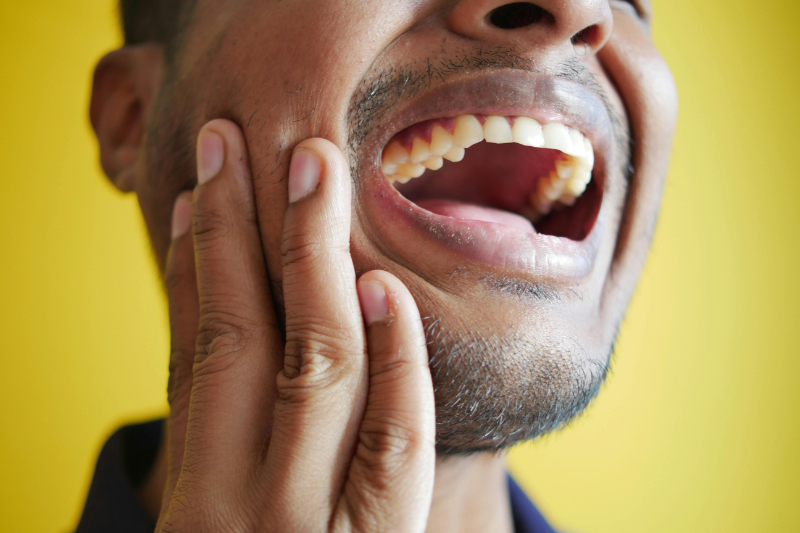
Acupuncture for TMJ pain is a safe, drug-free way to reduce jaw pain and improve jaw function. If you’re feeling discomfort in your jaw, especially when talking, eating, or yawning, you may be dealing with TMJ problems. TMJ stands for temporomandibular joint. It is the small joint that connects your jaw to your skull and works like a hinge. When this joint or the muscles around it become tight or sore, it can lead to pain, headaches, or difficulty opening your mouth.
Need help with jaw tension or pain? Book a free consultation or read our client reviews to learn how we’ve helped others in Edmonton.
What Is TMJ Pain?
TMJ pain happens when the jaw joint or nearby muscles are not working well. This is called TMJ dysfunction or TMD. It affects many people and is often caused by:
Stress
Jaw clenching
Teeth grinding
Muscle tension
Injuries to the jaw or face
A bite that doesn’t line up properly
Even small things like poor posture or chewing gum a lot can make it worse.
Curious how muscle tension can cause headaches? Read our guide on trigger points and headache referral patterns.

Signs You Might Have TMJ Pain
TMJ problems don’t just affect your jaw. You might notice:
Pain or tightness when chewing or talking
Clicking or popping sounds in your jaw
Headaches, often near your temples
A jaw that locks or feels hard to open
Pressure in your ears or ringing (tinnitus)
Sore neck and shoulders
Pain can also spread from the jaw muscles, such as the masseter and temporalis, which acupuncture treats very well.
Interested in natural ways to support your health? Learn how ear seeding and auricular acupuncture work in this quick guide.
How Acupuncture for TMJ Pain Works
Acupuncture is a gentle treatment that uses tiny needles to help your body heal. It targets both the sore muscles and the stress that may be causing jaw pain.
Here’s how it helps:
It Relaxes Tight Jaw Muscles
When your jaw muscles are overworked, they can form small knots called trigger points. These knots cause pain and make it hard to move your jaw. Acupuncture helps the muscles let go of this tightness and improves blood flow to the area.
It Lowers Pain and Swelling
Acupuncture helps your body make its own natural painkillers. These include endorphins and serotonin, which reduce pain and help you feel calmer. It also reduces joint swelling, making your jaw feel smoother and easier to move.
It Calms Stress
Many people with TMJ pain clench or grind their teeth without noticing, especially during sleep. This often happens when you’re under stress. Acupuncture helps calm your nervous system, allowing your body to relax. Less stress means less clenching and grinding.
It Helps the Whole Body Work Better
Even though the pain is in your jaw, TMJ problems often connect to other areas, like your neck, shoulders, or even your sleep. Acupuncture helps your whole body relax, making it easier for your jaw to heal.
What to Expect During Acupuncture For TMJ Pain
At Monica Patt Acupuncture in Edmonton, we create a treatment plan that fits your body and your symptoms.
Your treatment may include:
Tiny needles are placed around your jaw, temples, and neck
Electro-acupuncture if your jaw clicks or has long-term pain
Intra-oral acupuncture to reach deeper jaw muscles
Points that reduce stress and help you sleep better
Cupping or gua sha to relax tight neck and jaw muscles
Treatments are safe, clean, and calming. Most people say the needles don’t hurt and feel more like a tiny pinch.
How Many Treatments Will I Need?
Most people start to feel better after about 3 to 5 acupuncture sessions. As treatment progresses, you may notice your jaw feels less tight, your headaches happen less often, and it becomes easier to chew and talk. If your TMJ pain has been going on for a long time, or if you grind your teeth at night, you might need a few more sessions or occasional maintenance treatments to keep the pain from coming back.
What the Research Says About Acupuncture For TMJ Pain
There are many studies that support acupuncture for TMJ pain. Research shows that it helps relax tight jaw muscles and can work just as well as splints or mouth guards for reducing pain. Acupuncture also improves jaw movement and helps reduce facial muscle tension and stress. These results make it a great choice for people looking for a natural way to manage TMJ pain without relying on medication.
Want to dive into the research? Read this large review of clinical trials showing how acupuncture may help reduce pain, including TMJ-related symptoms.
Combining Acupuncture With Other Care
Acupuncture works well on its own, but it’s even better when used with other care. At our Edmonton clinic, we often recommend combining it with:
Jaw stretches or exercises from a physiotherapist or dentist
Heat therapy or a gentle jaw massage at home
Stress relief techniques like deep breathing
A custom night guard (if your dentist suggests one)
This team-based approach helps treat both the joint and the muscles, so you feel better faster and stay that way.
Want to explore more ways to manage TMJ pain naturally? Read how acupuncture and TMJ massage work together to ease jaw tension and improve comfort.
Where to Find Acupuncture for TMJ Pain in Edmonton
If you have jaw pain, clicking, or clenching that’s affecting your daily life, you don’t have to keep living with it. Acupuncture is a gentle, natural way to reduce TMJ pain and help your jaw work better.
We’re here to support your healing journey. Book your first appointment or contact Monica Patt Acupuncture to learn how acupuncture for TMJ pain can help you today.
Disclaimer: This blog is for educational purposes only and is not a substitute for medical advice. Acupuncture is a safe, natural therapy that may help relieve TMJ pain, jaw tension, and related symptoms. At Monica Patt Acupuncture, we take a whole-body approach and often work alongside other healthcare providers to support your long-term health and comfort.