At our Edmonton acupuncture clinic, we often hear from moms-to-be with sore backs, hips, and pelvises. The short answer is that acupuncture can ease pregnancy pain when you add it to your regular prenatal care. Research shows it can lower low back and pelvic girdle pain.
Pregnancy pain can sneak up on you. One week, you feel fine. The next, your lower back aches after work, your hips throb at night, or a sharp pain shoots through your pelvis when you roll over in bed.
These aches are common, but you don’t have to put up with them. Acupuncture offers a gentle, drug-free way to ease back, hip, and pelvic pain, on its own or alongside your prenatal care.
If you’re feeling sore and want to know your options, book a free consultation with our clinic. You can also contact us with your questions or read our reviews to hear from other patients.
Why Back, Hip, and Pelvic Pain Are So Common During Pregnancy
Your body changes a lot in nine months. As a result, your back, hips, and pelvis work harder than ever before.
In fact, low back and pelvic girdle pain are some of the most common aches during pregnancy. Several changes work together to cause them:
- Your body makes a hormone called relaxin, which loosens your joints to get ready for birth. Looser joints can feel less steady.
- As your baby grows, your weight shifts forward, so your lower back curves more.
- Extra weight puts more load on your hips and pelvis.
- The way you stand, sit, and walk changes, which can strain your muscles.
These changes are normal during pregnancy, but they can still make work, sleep, and everyday tasks harder. Luckily, you don’t have to wait until after birth to start feeling better.
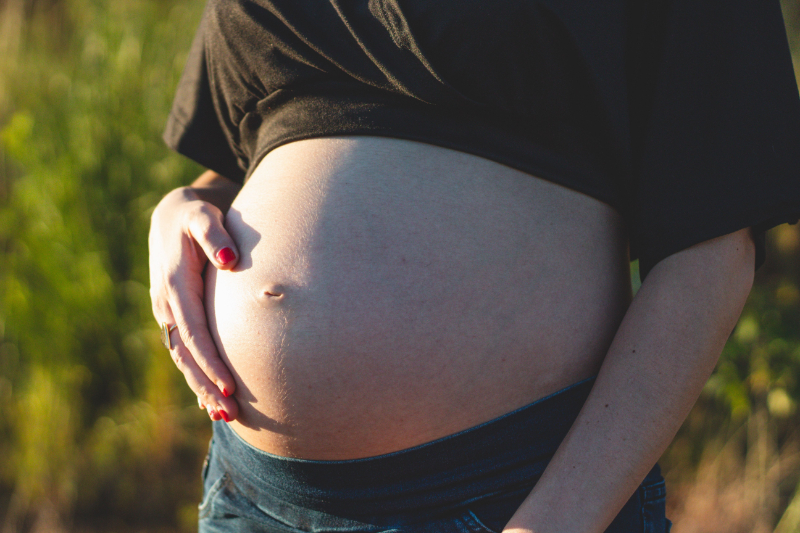
Common Types of Pregnancy-Related Musculoskeletal Pain
Not all pregnancy aches feel the same. Knowing which type you have helps us plan the right treatment.
- Low back pain: A dull ache across your lower back, often worse after standing or sitting for a long time.
- Pelvic girdle pain: Pain at the back of your pelvis near your buttocks, or at the front over your pubic bone.
- Hip pain: Soreness on the side of your hip, especially when you lie on that side at night.
- Sciatica-like pain: Pain that travels from your buttock down the back of your leg.
Call your doctor or midwife right away if your pain is sudden or severe, or if it comes with bleeding, cramping, fever, or leaking fluid.
Feeling pain at the front of your pelvis, too? Read our blog, Lower Back and Pubic Symphysis Pain in Pregnancy, to learn how acupuncture and K-tape can work together to ease your discomfort.
How Acupuncture May Help With Pregnancy Pain
Acupuncture uses very thin needles at specific points on your body. These points work with your nervous system and help increase blood flow to tight, sore muscles. In turn, your body can relax and feel less pain.
Research supports this. In one large Swedish trial, pregnant women who added acupuncture to their standard care had less pain than women who had standard care alone.
Acupuncture may help you:
- Feel less pain during the day and at night
- Walk, move, and sleep more easily
- Loosen tight muscles in your back, hips, and buttocks
- Lower stress, which can make pain feel worse
Acupuncture can’t stop the changes your body goes through as your baby grows. Instead, it gives you one more way to manage pregnancy pain and feel more like yourself.
Want to learn more about how acupuncture calms your body? Read our blog, The Nervous System Reset, to see how acupuncture, stress, and pain connect.
Acupuncture for Pelvic Girdle and SI-Region Pain During Pregnancy
Pelvic girdle pain often shows up near your sacroiliac (SI) joints. These joints sit at the back of your pelvis, where your spine meets your hip bones. It can hurt when you climb stairs, get out of the car, or turn over in bed.
One well-known study in the BMJ followed 386 pregnant women with pelvic girdle pain. Every woman got standard care, which included a pelvic belt and home exercises. One group also had acupuncture, and another group did stabilizing exercises.
After six weeks, both added treatments helped more than standard care alone. However, the acupuncture group had the least evening pain of all three groups. An independent examiner also saw the biggest improvement in the acupuncture group.
For SI and pelvic girdle pain, treatment may focus on points around your low back, hips, and legs. Between visits, simple steps like a support belt and gentle movement can help, too.
Is Acupuncture Safe During Pregnancy?
For healthy pregnancies, acupuncture is a low-risk choice when a registered acupuncturist provides it. A 2014 safety review found that side effects were usually mild and short-lived. Serious problems were rare.
Mild side effects can include a little soreness or a small bruise where a needle went in. Some people also feel tired or a bit lightheaded after a session.
Training matters, too. Our acupuncturists understand how your body changes in each trimester, so we adjust the points and your position, like lying on your side with pillows, as your pregnancy moves along.
Finally, let your doctor or midwife know you’re getting acupuncture. That way, your whole care team works together. For many women, acupuncture is a welcome drug-free option for pregnancy pain at a time when they want to limit medication.
Feeling unwell in your first trimester, too? Read our blog, Acupuncture for Morning Sickness, to learn how acupuncture can ease nausea.

Acupuncture in Edmonton: What to Expect From Treatment
At our Edmonton clinic, your first visit starts with a conversation. We’ll ask where it hurts, when it started, and what makes it better or worse. We’ll also ask about your pregnancy and your prenatal care.
Next, we’ll help you get comfortable on the table. Then, we’ll place very thin needles at points that target your pain. Most people find the session calm and restful, and we’ll adjust your care as your body changes.
After that, your acupuncturist will suggest a treatment plan that fits your symptoms and your stage of pregnancy. We can also share simple tips to use at home, like small changes to how you sit, sleep, or get out of bed.
You don’t have to push through pregnancy pain. If you’re ready to feel more comfortable, book a free consultation with our Edmonton team. Have questions first? Contact us here, or read our reviews to see what other patients have to say.
Disclaimer: This article is for educational purposes and isn’t a substitute for medical advice, diagnosis, or treatment. Acupuncture can help some women manage pain during pregnancy, but results vary. Speak with your doctor or midwife about new or worsening pain, bleeding, cramping, or treatment options that are right for you.